
Traditional Wushu, also known as Kung Fu, refers to Chinese martial arts that have been passed down by generations, usually known by styles, families, or regions. There are countless styles of Wushu, which gave birth to the phrase, “martial forest” (武林). We teach a variety of traditional styles:
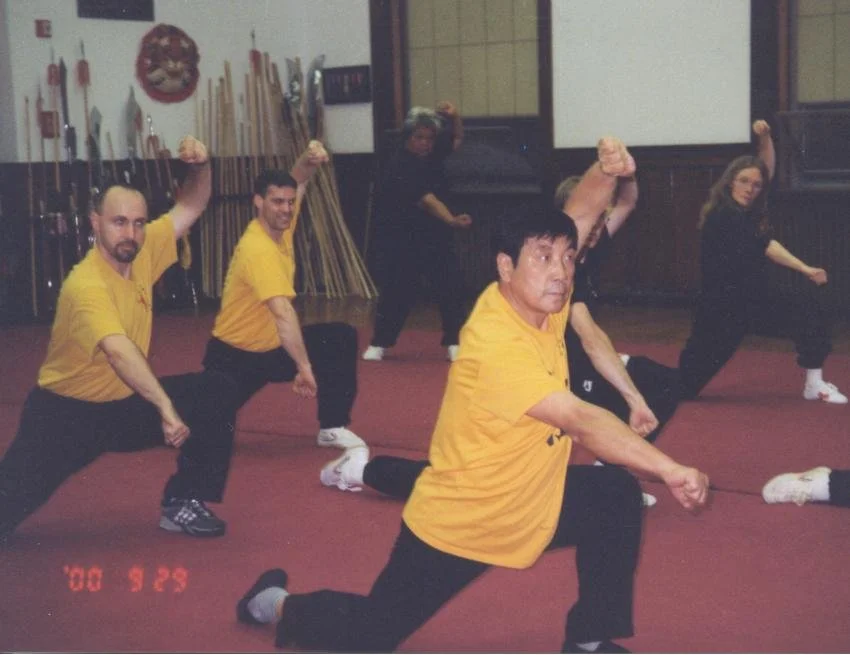
Bajiquan (Eight Extremes Boxing) is a style known for the use of elbows and close range combat. It’s unadorned and simple, focusing on breaking through the opponent’s “gate.” It’s nicknamed “bodyguard style” because of it’s use by the bodyguards of Mao Zedong, Chiang Kai-Shek, and Puyi, the last Emperor of China.
We teach Huo Style Bajiquan.
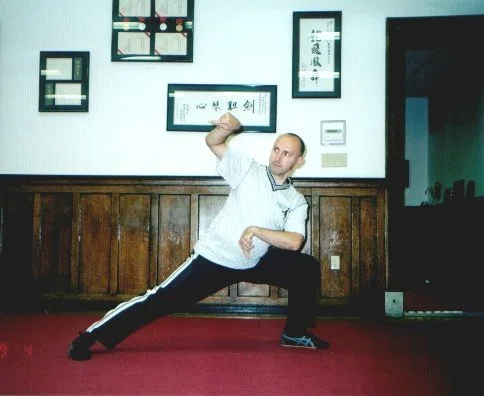
Tanglangquan, Mantis Boxing (aka Praying Mantis Kung Fu), is a type of Imitation Boxing (Xiangxingquan), which traces its origins to the Shaolin temple. Passed down by the legendary Wang Lang, who, after losing in a match, watched a Mantis wrestle a Cicada, inspired by its tactics, he create Mantis Boxing.
We teach Hao Family Taiji Meihua Tanglangquan.
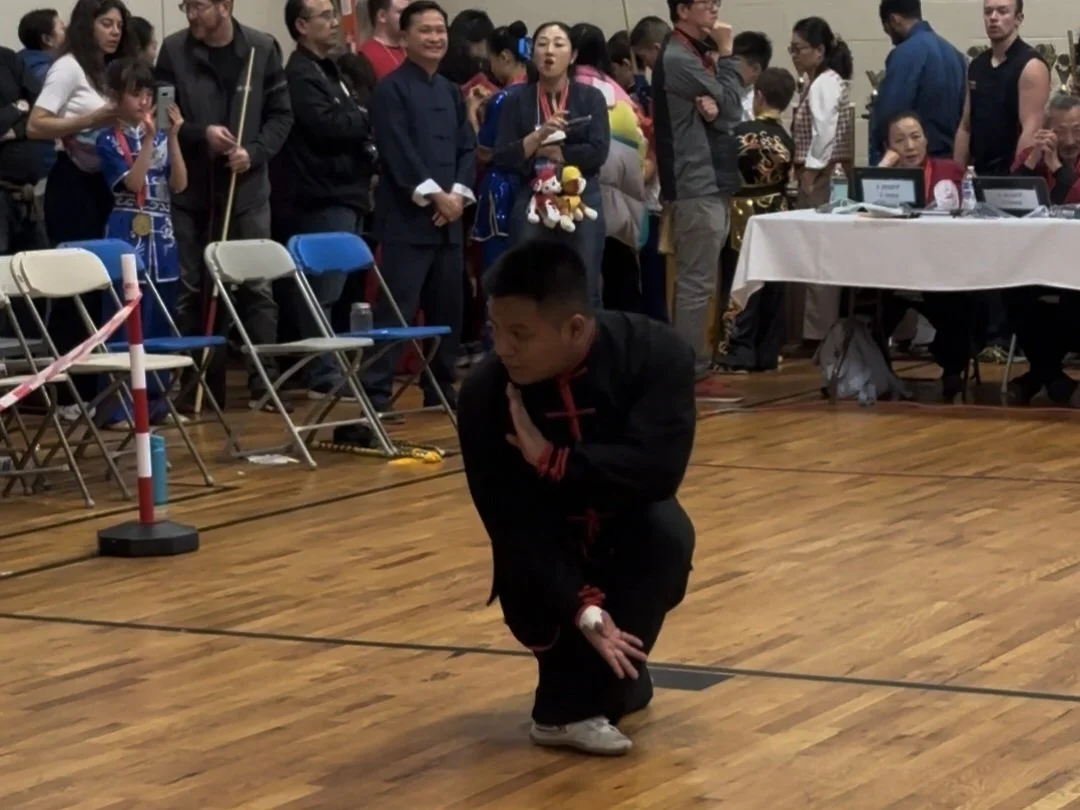
Xingyiquan (Intent Shaped Boxing) is a style of Wushu based on the 5 Classical Elements (Metal, Wood, Fire, Water, Earth) and the 12 Animals. Based on the movements of the spear, much like Bajiquan, it is unadorned and straightforward.
We teach Sun Style Xingyiquan.
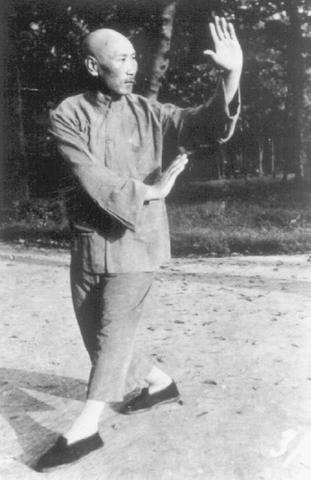
Baguazhang (Eight Trigram Palm) is based on the Book of Changes. Characterized by its circular footsword, Bagua shares a lot of characteristics with Tai Chi and Xingyiquan.
We teach Sun Style and Fu Style Baguazhang
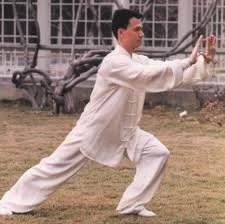
Taijiquan, or Tai Chi (Grand Ultimate Fist), usually characterized by slow movements, other styles of Tai Chi have explosive power or active footwork. Considered an internal style, and one of the three main style of Wudang Boxing along with Xingyiquan and Baguazhang.
We teach Sun Style, Yang Style, and Fu Style Tai Chi.